Supplier Management Software: The Ultimate 2026 Guide to Intelligent Vendor Management
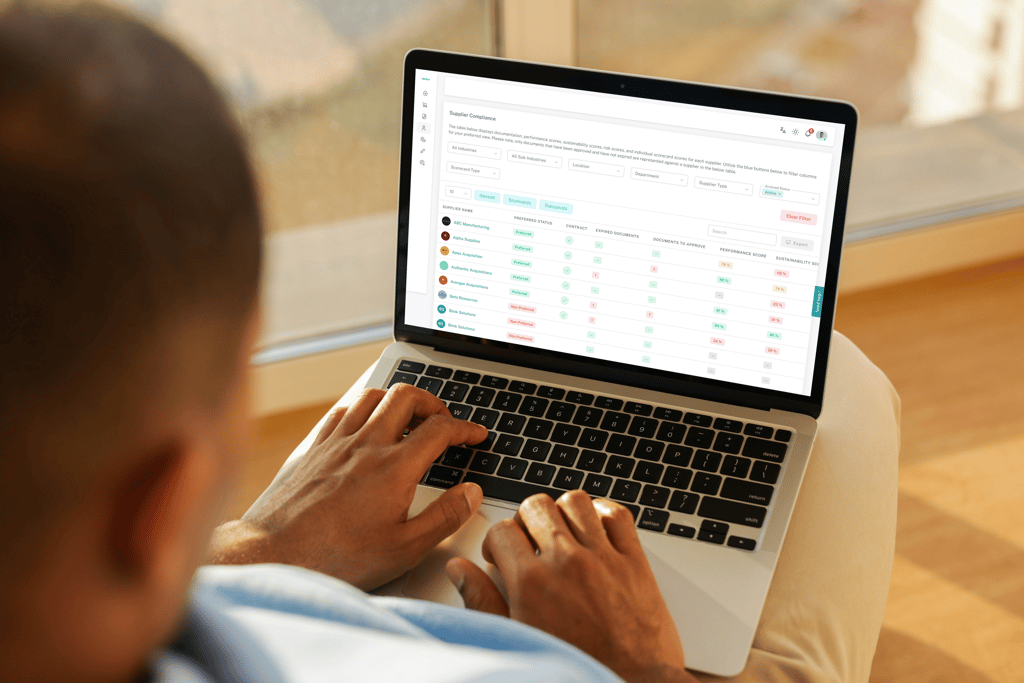
In today’s dynamic business environment, effective supplier management is essential for maintaining a competitive edge. This guide delves into the world of supplier management software, exploring its features, benefits, and how it can transform your procurement processes.
Understanding Supplier Management Software
What is Supplier Management Software?
Supplier management software is a platform designed to streamline and automate the entire supplier lifecycle. It serves as a central hub for managing supplier information, contracts, performance, and compliance, offering enhanced visibility.
Importance of Supplier Management in Procurement
Effective supplier management is crucial for optimizing procurement processes. A robust supplier management system enables organizations to reduce supplier risk, enhance spend management, and improve supplier relationships, ultimately driving profitability.
Key Features of an Effective Management Platform
An effective management platform should offer a range of features. Specifically, it should include:
- Supplier onboarding
- Contract management
- Performance monitoring
- Risk management
- Compliance tracking
These capabilities ensure efficient and transparent supplier interactions.
Benefits of Supplier Management Software
Streamlining Supplier Onboarding Processes
Supplier management software significantly streamlines supplier onboarding, automating tasks like data collection, verification, and approval workflows. This automation reduces manual effort, accelerates onboarding, and ensures data accuracy. oboloo also offers supplier onboarding.
Enhancing Spend Management and Optimization
Spend management and optimization are enhanced through supplier management software by providing detailed insight into procurement spend. This allows organizations to identify cost-saving opportunities, negotiate better terms, and drive spend management efficiency.
Improving Risk Management and Compliance
Supplier management software plays a vital role in improving risk management and compliance. By centralizing supplier data and monitoring performance, businesses can mitigate risk, ensure compliance with regulations, and safeguard their supply chain. oboloo aims to reduce the risk of non-compliance with full contract visibility and provides compliance tracking.
Choosing the Right Supplier Management Software
Evaluating Vendor Management Software Options
When evaluating vendor management software options, it’s essential to consider factors like integration capabilities, ease of use, scalability, and the specific needs of your organization. Gartner Peer Insights can provide valuable feedback.
Critical Capabilities of a Source-to-Pay Platform
A comprehensive source-to-pay platform should offer critical capabilities, including the following:
- E-sourcing
- Contract management
- Procurement
- Invoicing
- Payment processing
These features ensure a seamless and efficient procurement lifecycle.
Why oboloo is the Best Choice for Supplier Management
oboloo is a cloud-based procurement system designed to streamline and manage various procurement processes. The management software allows users to effectively manage sourcing, supplier relationships, contracts, and savings initiatives, helping buyers save time and money. It aims to provide complete visibility and control over every part of the procurement process. oboloo offers features such as customizable RFPs, RFQs, and RFIs with multi-round event management, supplier management tools for compliance and approval, automated contract lifecycle workflows, and real-time savings tracking.
oboloo emphasizes user-friendliness, smart features, and an intuitive interface. The platform allows users to easily create, store, and reuse sourcing templates and documents. oboloo improves collaboration between suppliers and internal teams. oboloo also offers integration with other applications, enhancing functionality and streamlining workflows.
Optimize the supplier relationship management process for procurement
Use supplier management software to direct spend to preferred suppliers and minimize risk
Effective procurement and management solutions drive spend to preferred suppliers by creating clear policies for indirect purchases and enforcing supplier qualification standards, which helps organizations capture significant cost savings. A centralized approach reduces maverick buying and simplifies accounts payable reconciliation, while frequent audit trails and transparent supplier performance metrics lower operational risks tied to quality and delivery. These practices support compliance with changing regulatory requirements and make it easier to demonstrate due diligence during external reviews. Building strong relationships with preferred vendors also enables negotiated terms that protect both price and service levels, ensuring the organization can respond quickly to market fluctuations without sacrificing control.
Adopting a unified source-to-pay platform and implementing end-to-end procurement workflows creates a single version of the truth for spend analytics, supplier lifecycle management, and contract enforcement. Integrating ap automation into this architecture streamlines invoice processing, accelerates payment cycles, and reduces manual errors, further improving supplier adherence and strengthening negotiating leverage. Together, these capabilities reduce exposure to supplier concentration, fraud, and compliance lapses, enabling procurement teams to confidently steer purchasing toward preferred suppliers and realize measurable financial and operational benefits.
Centralize supplier data and insights with supplier management software
Centralizing supplier data creates a single source of truth that reduces duplication, improves accuracy, and accelerates decision-making by unifying profiles, contracts, and transaction histories.
A centralized platform enhances real-time insights through standardized metrics and dashboards, enabling procurement teams to spot performance trends, supplier health, and compliance issues faster.
With consolidated analytics and automated reporting, organizations can better manage risk, negotiate from a stronger position, and drive strategic partnerships by turning fragmented information into actionable intelligence.
Speed Up Supplier Onboarding with Supplier Management Software
Accelerate supplier onboarding by implementing intuitive portals and standardized workflows that reduce manual entry and speed initial qualification.
Use automation to pre-fill forms, run background checks, and route approvals so suppliers can be activated faster with fewer errors.
Prioritize seamless system integration and real-time data exchange with ERP and procurement tools to eliminate duplicate steps and maintain accurate records.
Ensure clear communication, defined SLAs, and embedded compliance checks to build trust, support ongoing collaboration, and sustain rapid, scalable onboarding.
Promote supplier collaboration
To further optimize the supplier relationship management process, it is vital to promote supplier collaboration through the use of supplier management software provided by oboloo; this type of platform centralizes communication, automates repetitive workflows, and creates a single source of truth that connects internal teams with external partners, enabling real-time visibility into performance, compliance and risk, streamlined contract and document management, faster issue resolution, and measurable supplier performance metrics and KPIs—ultimately improving collaboration, reducing costs, and accelerating time-to-value across the entire supplier lifecycle.
Mitigate supplier risk
Streamline operations by focusing on supplier onboarding workflows that reduce manual steps and eliminate bottlenecks. Implementing automation for document collection, verification, and notifications speeds approvals and improves accuracy.
Connect systems with seamless integration to ERP and procurement platforms so data flows instantly and compliance checks run in real time, lowering risk and audit overhead.
Prioritize clear supplier communication and collaborative portals to boost engagement, shorten time-to-first-order, and maximize time-to-value for both your organization and new partners.
Implementing Supplier Management Software
Steps for Successful Supplier Onboarding
Successful supplier onboarding is crucial, and supplier management software facilitates this by automating data collection and verification, making the process efficient and error-free. This ensures a smooth lifecycle transition for new suppliers joining your network.
Integrating AI in Supplier Management
Integrating AI into supplier management enhances decision-making through AI-powered analytics, which offer actionable insights and improve risk management. With AI, you can identify potential disruptions and proactively mitigate risk in your supply chain.
Best Practices for Using an Intelligent Management Platform
To effectively use an intelligent management platform, several key practices should be followed. These include:
- Centralizing supplier data
- Utilizing real-time monitoring
- Leveraging integration capabilities to unify processes
Following these practices ensures you optimize supplier relationships and maintain compliance across the supplier lifecycle.
Supplier Management Software: Best Practices
1. Define business objectives before implementing supplier management software
Before implementing supplier management software, clearly define your business objectives to ensure the platform aligns with your strategic goals. This targeted approach maximizes the software‘s impact on procurement and spend management.
2. Use supplier management software to clean and migrate supplier master data early
Early cleaning and migration of supplier master data are vital for accurate reporting and effective management. Ensuring data quality from the outset enhances the visibility and reliability of your supplier information within the platform.
3. Integrate supplier management software with core systems via APIs or middleware
Integration with core systems via APIs or middleware enables seamless data flow and process automation, enhancing the supplier lifecycle. This integration ensures your supplier management software works harmoniously with existing ERP systems.
4. Co-design supplier management workflows with end users
Co-designing workflows with end users ensures the supplier management software meets the practical needs of those who will use it daily. This collaborative approach enhances usability and drives user adoption of the platform.
5. Embed KPI Scorecards and Automated Alerts in Supplier Management Software
Embedding KPI scorecards and automated alerts enables real-time monitoring of supplier performance and compliance, allowing for proactive issue resolution. This ensures your supply chain remains efficient and aligned with your objectives.
6. Pilot a Tier-One Supplier Group Using Supplier Management Software
Starting with a pilot tier-one supplier group allows you to test and refine your supplier management software implementation before a full rollout. This phased approach minimizes risk and ensures a smooth transition.
7. Conduct Quarterly Reviews and Iterate with Supplier Management Software
Quarterly reviews and iterations are crucial for optimizing your supplier management software usage and adapting to changing business needs. This continuous improvement approach ensures your platform remains effective and aligned with your goals.
Key features to look for in supplier management software
Supplier onboarding and offboarding support
Effective supplier onboarding and offboarding support are crucial features in supplier management software, streamlining the process of integrating new suppliers and managing departures. oboloo offers supplier onboarding which simplifies the process. This ensures a seamless transition and maintains compliance.
Automated risk and performance assessments
Automated risk and performance assessments are vital for monitoring supplier compliance and identifying potential issues early. These assessments help mitigate risk, ensure compliance, and maintain a stable supply chain with reliable supplier performance.
Centralized data, analytics, and integration capabilities
Centralized data, analytics, and integration capabilities in supplier management software provide a unified view of supplier information and performance. This ensures informed decision-making and enhances visibility across the entire supplier lifecycle. This also integrates with other tools.
Key Goals and Benefits of Supplier Management Software Automation
Minimize Supplier Risk with Supplier Management Software
Automating supplier relationship management significantly reduces supplier risk by enabling better monitoring and compliance tracking. The use of supplier management software ensures businesses mitigate risk and maintain a secure supply chain.
Unlock Savings and Gain Negotiation Leverage with Supplier Management Software
Automation in supplier relationship management unlocks savings and negotiation leverage by providing detailed insight into spend management and supplier performance. It aims to save users time and money in the long term.
Accelerate Operations with Supplier Management Software
Automating supplier relationship management accelerates operations by streamlining processes and reducing manual tasks. This ensures efficient procurement and faster onboarding, enhancing overall operational speed.
Improved supplier responsiveness
Automating supplier relationship management improves supplier responsiveness by enhancing communication and collaboration. This creates stronger relationships, ensuring suppliers are more attentive to your needs and requirements. The use of supplier management software further improves supplier interactions.
Future Trends in Supplier Management
The Rise of AI-Powered Supplier Intelligence
The rise of AI-powered supplier intelligence is transforming management software, providing actionable insights through advanced analytics. This AI driven approach enhances decision-making, enabling proactive risk management and improved compliance across the supply chain.
Autonomous Procurement Solutions
Autonomous procurement solutions are emerging, automating routine tasks and enhancing efficiency in the supplier lifecycle. These solutions leverage AI and machine learning to streamline procurement processes, optimize spend management, and improve overall operational speed and visibility.
Sustainable Supply Chain Management Practices
Sustainable supply chain management practices are gaining prominence, emphasizing ethical and environmentally responsible sourcing. Supplier management software helps organizations monitor and enforce sustainability standards, ensuring compliance and reducing third-party risk in the supply chain.
FAQ
What is the role of AI in supplier management software?
AI in supplier management software enhances decision-making by providing actionable insights through advanced analytics, which helps in improving risk management. With AI, you can effectively mitigate risk in your supply chain.
How can supplier management software help with risk management?
Supplier management software helps with risk management by providing a centralized view of supplier data, enabling better monitoring and compliance tracking. This ensures businesses can effectively mitigate risk and maintain a secure supply chain.
What features should I look for in vendor management software?
When selecting vendor management software, prioritize features such as supplier onboarding, contract management, performance monitoring, and risk management. These capabilities ensure efficient and transparent supplier interactions, providing complete visibility and control.
What is supplier management software?
Supplier management software is a platform designed to streamline and automate the entire supplier lifecycle. It serves as a central hub for managing supplier information, contracts, performance, and compliance, offering enhanced visibility and control.
What is the best software for Supply Chain Management?
oboloo stands out as the best software for supply chain management due to its comprehensive features and user-friendly design. oboloo provides complete visibility and aims to save users time and money in all procurement processes.
What software is used for SRM?
Supplier Relationship Management (SRM) utilizes supplier management software like oboloo, a cloud-based platform that manages all aspects of procurement, from sourcing to contract management. oboloo is effective for compliance tracking and reducing supplier risk.
What are the four major types of SCM software?
The four major types of Supply Chain Management (SCM) software include: Planning, Execution, Collaboration, and Supplier Management Software. Supplier management software such as oboloo is essential for supplier relationship management to mitigate risk in the supply chain.
How does a vendor management system work?
A vendor management system centralizes supplier data, automates onboarding, and provides tools for performance monitoring and risk management. It streamlines the supplier lifecycle, ensuring compliance and efficient procurement processes, offering enhanced visibility and control. oboloo offers all of the tools for vendor management.