
Navigate the complexities of supply chain management with clarity. This guide offers a detailed comparison of procurement and sourcing, vital functions for any organization seeking to optimize costs, manage supplier relationships, and ensure a resilient supply chain. Understand the key differences between sourcing and procurement and how they contribute to overall business success within the procurement cycle.

Sourcing is the process of identifying, evaluating, and selecting suppliers, which sourcing also encompasses. Effective sourcing focuses on finding the best suppliers to meet an organizations specific needs. Procurement encompasses the entire process of acquiring goods and services, from initial requisition to final payment. The difference between sourcing and procurement lies in scope, as sourcing refers to the strategic aspect while procurement focuses on operational execution. Sourcing is a subset of procurement.
Both sourcing and procurement are critical for maintaining a competitive edge. Strategic sourcing ensures access to quality goods and services at optimal prices, while the procurement cycle manages the efficient acquisition of these resources. Sourcing and procurement processes, when optimized, directly impact profitability and overall operational efficiency. Businesses manage the supply chain efficiently with the right approach.
The sourcing and procurement processes differ in their key activities within the purchasing process. Sourcing activities often precede procurement, facilitating the efficient acquisition of goods and services.
ProcessKey ActivitiesSourcingMarket research, supplier evaluation, contract negotiationProcurementPurchase requisition, order placement, invoice processing, payment
Procurement automation streamlines many of these steps.

The key differences between sourcing and procurement lie in their strategic focus, where sourcing and procurement are essential for overall business success. Sourcing strategies are long-term and focused on building relationships with reliable suppliers, which supports purchasing and sourcing efforts. Procurement encompasses the tactical day-to-day activities needed to fulfill immediate needs. What's the difference? Sourcing aims to identify the best possible suppliers, while procurement focuses on the efficient acquisition of goods.
Sourcing is the process of identifying potential suppliers, assessing their capabilities, and negotiating contracts. Managing the supply chain is dependent on both sourcing and procurement, as sourcing is the foundation of effective procurement. Strategic sourcing requires a deep understanding of the market, while procurement operations demand adherence to established procedures. More details on procurement are available below.
ProcessActivitiesProcurementCreating purchase orders, receiving goods, verifying invoices, and making payments.
Procurement activities include tasks like processing purchase requests and managing supplier payments, which are part of common procurement practices. Sourcing activities, on the other hand, involve market analysis and supplier selection. The procurement department handles the transactional aspects. The sourcing team focuses on strategic supplier relationship management, which is crucial when sourcing and procurement work together to achieve business objectives. The key differences between sourcing activities often involve more in-depth market research, which can lead to a proactive approach to risk management.
Understanding the difference between sourcing and procurement is vital for optimizing the supply chain. Effective sourcing leads to better supplier relationships and cost savings, especially in mitigating supply chain disruptions. Efficient procurement ensures timely delivery and compliance with regulations. Procurement leaders recognize that strategic sourcing positively impacts the bottom line, highlighting how sourcing also keeps costs under control. Sourcing cant be overlooked when aiming for long-term success.

Sourcing significantly shapes the procurement process by setting the stage for supplier selection and terms negotiated during the sourcing phase. Effective sourcing identifies reliable suppliers, ensuring procurement teams can secure favorable deals. Strategic sourcing directly impacts the procurement strategy, reinforcing the idea that sourcing and procurement are essential for achieving organizational goals. This ultimately affects the quality and cost of goods and services, influencing broader procurement decisions. The sourcing process provides procurement with a curated list of potential partners.
Procurement plays a vital role in the sourcing process by providing feedback on supplier performance and adherence to contract terms, crucial for procurement professionals. The procurement department ensures that the selections made by the sourcing team align with the company's overall goals. Data from procurement activities helps refine future sourcing strategies. Managing supply chain relationships by working closely with sourcing is important.
Successful sourcing strategies involve thorough market research and a deep understanding of supplier capabilities. Effective sourcing includes a focus on building long-term supplier relationships and continuous improvement, which is essential when sourcing and procurement work together. Strategic sourcing is essential for gaining a competitive advantage. By adopting a customer-centric sourcing strategy, you can gain a comprehensive understanding of your customers' needs and behaviors, which sourcing involves.
Efficient procurement hinges on streamlined processes, clear communication, and the use of procurement automation. The procurement team must prioritize compliance and risk management to ensure effective vendor and contract management. Training staff on best practices and implementing clear procurement policies is crucial for efficient procurement. Ensure timely payments and manage supplier relationships, which contributes to a smooth procurement process.
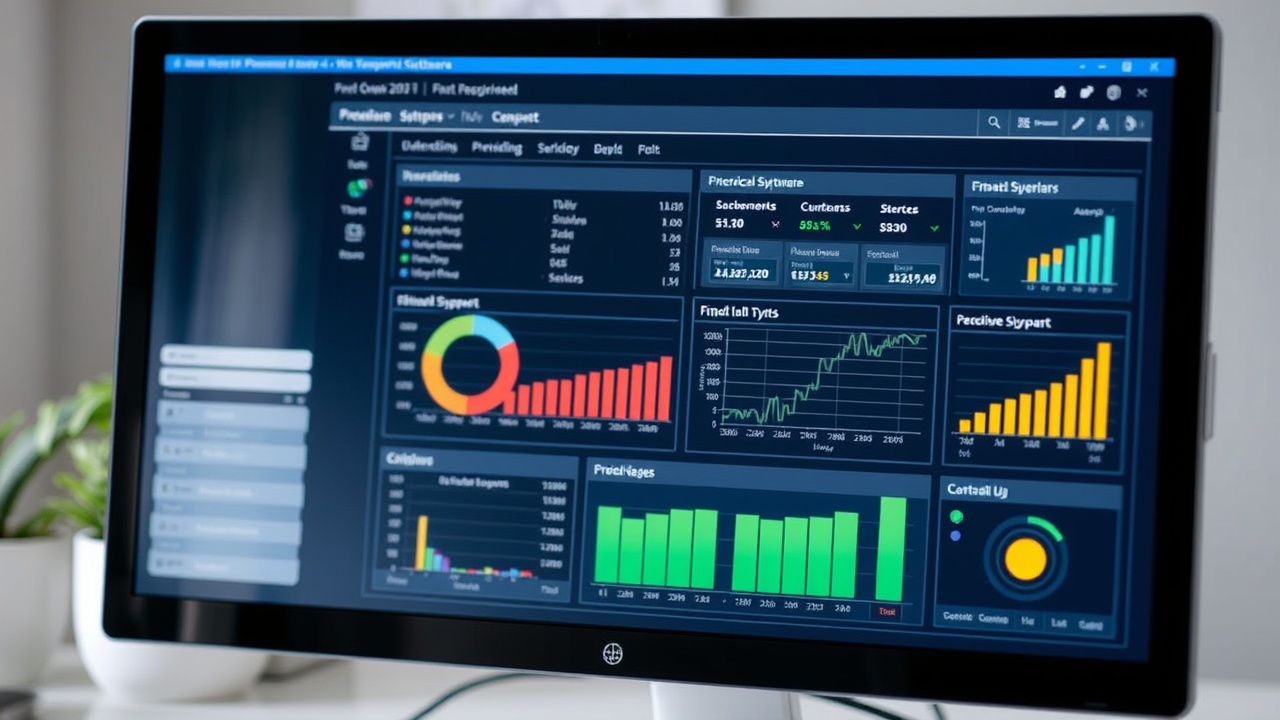
Procurement software streamlines various aspects of the procurement process, from requisition to payment, enhancing how procurement is to obtain goods and services efficiently. It offers features to manage sourcing, supplier relationships, and contracts efficiently, aiding in broader procurement objectives. Procurement and sourcing functions are enhanced through automation. With complete visibility and control over every part of the procurement process, you can make informed decisions and drive cost savings with easy-to-use tools.
Procurement software enhances sourcing by providing tools for creating and managing RFPs, RFQs, and RFIs. Customizable sourcing events and automated scoring tools streamline the sourcing process, which is vital for strategic procurement. Supplier performance tracking and dynamic supplier questionnaires improve supplier management. Streamline the sourcing process, create and manage RFPs, RFQs, and RFIs with customizable sourcing events.
Selecting the right procurement software is crucial for optimizing your procurement and sourcing process. Look for a platform that offers features such as customizable RFPs, supplier management systems, and contract lifecycle workflows. Consider the software's user-friendliness, integration capabilities, and scalability to ensure it aligns with your organization's needs. Procurement leaders should invest in user-friendly software.

Developing a robust procurement strategy is essential for aligning procurement activities with overall business goals and encompasses the sourcing process. A well-defined procurement strategy should outline the organization's approach to sourcing, supplier relationship management, and cost optimization. Link to a relevant external resource on developing strategic procurement strategies. Effective sourcing and procurement processes begin with a clear understanding of the organization's needs and priorities, which are crucial for strategic procurement. This strategic alignment, particularly in sourcing needs and procurement, is key to achieving long-term success.
To ensure effective procurement, adopt industry best practices such as conducting regular market research, implementing robust contract management, and leveraging technology to automate procurement processes. Supplier relationship management should be a priority, fostering collaboration and continuous improvement. Link to an external article on best practices in procurement. The procurement team should also focus on risk management and compliance with regulations. The procurement and sourcing process will be improved by constantly monitoring and improving.
For a seamless procurement and sourcing process, integrate sourcing and purchasing activities. This integration ensures that strategic sourcing decisions are effectively translated into efficient purchasing operations. The sourcing team should work closely with the procurement department to align supplier selection with purchasing requirements. A unified approach optimizes the entire procurement lifecycle, from identifying potential suppliers to processing payments.

The terms "sourcing" and "procurement" are often used interchangeably, but there are key differences. Sourcing is the process of identifying, evaluating, and selecting suppliers, while procurement encompasses the entire process of acquiring goods and services. Link to an external article differentiating sourcing from procurement in the context of vendor management. The difference between sourcing and procurement is in the scope. Sourcing is a subset of procurement, focusing on the strategic aspects of supplier selection, while procurement also helps in the overall management of resources.
To understand the difference between sourcing and procurement, consider their primary objectives. Sourcing aims to find the best suppliers to meet an organization's long-term needs, focusing on quality, cost, and reliability. Procurement focuses on the day-to-day activities of acquiring goods and services, ensuring timely delivery and compliance. Sourcing is the process, while procurement is the execution within the broader context of the purchasing process.
In the procurement and sourcing process, sourcing typically comes before procurement. Sourcing activities lay the groundwork by identifying and selecting potential suppliers. Procurement activities then take over to manage the actual acquisition of goods and services. The sourcing process sets the stage for efficient procurement, ensuring that the procurement team has access to reliable suppliers and favorable contract terms.
The key differences between sourcing and procurement can be seen in their focus and activities. Understanding these differences helps to manage the supply chain effectively and meet the procurement needs of the organization.
FunctionActivitiesStrategic Sourcing involves identifying the best suppliers to meet sourcing needs effectively, ultimately optimizing their supply chain operations.Market research, supplier evaluation, and contract negotiation are critical elements in sourcing that enhance overall procurement effectiveness.ProcurementPurchase requisition, order placement, invoice processing, and payment.
Sourcing is strategic, while procurement is transactional.
While sourcing focuses on identifying and selecting suppliers, purchasing is the transactional process of ordering and receiving goods and services. The procurement department handles purchasing activities, ensuring that orders are placed, tracked, and fulfilled efficiently in the procurement function, while also focusing on vendor and contract management. Managing supply chain activities depends on both processes, particularly as sourcing managers play a crucial role in optimizing these functions. Sourcing is the initial step of the procurement and sourcing process, while purchasing is the execution phase.
The main difference between sourcing and procurement lies in their scope and focus, as sourcing is the foundation of procurement activities. Sourcing is a strategic, long-term process of identifying, evaluating, and selecting suppliers, while procurement encompasses the entire process of acquiring goods and services, from requisition to payment. In other words, strategic sourcing focuses on who you buy from and procurement on how you buy.
Strategic sourcing is crucial for achieving cost savings, improving supplier relationships, and ensuring supply chain resilience. By identifying and partnering with the best suppliers, organizations can access high-quality goods and services at optimal prices. The sourcing and procurement processes are enhanced through automation. Procurement leaders can take actions towards a customer-centric sourcing strategy to satisfy customers.
The key steps in the procurement process typically include identifying a need, creating a purchase requisition, obtaining approvals, issuing a purchase order, receiving goods or services, verifying invoices, and making payments. Streamlined processes, clear communication, and digital procurement automation are key to efficient procurement, which can positively impact the bottom line.
Procurement software streamlines and automates various aspects of the procurement and sourcing process, from requisition to payment. It provides tools for managing supplier relationships, contracts, and sourcing events, enabling organizations to make informed decisions and achieve cost savings. Features such as customizable RFPs, supplier management tools, and contract lifecycle workflows improve the procurement process and help mitigate supply chain risks, providing essential procurement data.
Effective supplier relationship management is vital for building trust, fostering collaboration, and ensuring the reliable delivery of goods and services, which supports broader procurement goals. By establishing strong relationships with suppliers, organizations can negotiate favorable terms, mitigate risks, and drive continuous improvement. Supplier performance tracking and dynamic supplier questionnaires are helpful to improve supplier relationships
Procurement managers are vital, responsible for the entire procurement process, including strategic sourcing, nurturing strong supplier relationship management, efficient contract management, and driving impactful savings initiatives. They ensure strict compliance, meticulously reduce costs, and significantly improve overall efficiency in the procurement and sourcing process, which comes to procurement as a fundamental goal.
Procurement and sourcing directly impact a company's bottom line, as sourcing is the foundation of effective procurement strategies. Strategic sourcing ensures the best value for goods and services. A well-managed procurement process ensures timely delivery and adherence to budget. Effective procurement strategies and sourcing strategies drive efficiency, reduce risks, and improve profitability in the procurement organization, as procurement aims to obtain the best value for resources. Effective sourcing means efficient processes and an improved supply chain, ensuring smooth procurement and sourcing functions that address procurement needs.
The future of procurement and sourcing lies in increased automation and the use of advanced data analytics. Procurement software is key to improving sourcing vs procurement, offering valuable procurement resources for better decision-making. Artificial intelligence will play a significant role in optimizing sourcing decisions and improving supplier relationship management. Managing supply chain practices is becoming more agile. Effective sourcing and procurement processes will drive greater efficiency and cost savings, addressing potential supply chain risks through strategic procurement. Procurement leaders recognize the coming changes in the procurement function and the need for sourcing specialists who can optimize their supply chain operations.
The four main types of procurement include direct, indirect, contract, and emergency procurement. Direct procurement involves acquiring goods and services that are directly used in the production process. Indirect procurement encompasses the acquisition of goods and services necessary for day-to-day operations. Managing supply chain functions efficiently helps with procurement and sourcing to see the real benefits. Procurement leaders work to have efficient procurement and sourcing processes that integrate purchasing and sourcing activities.
Purchasing is the transactional activity of ordering goods and services, which enables procurement efficiency. Sourcing is the strategic process of identifying and selecting suppliers. Procurement encompasses the entire process from sourcing to payment, highlighting the importance of the procurement organization. Understanding the difference between sourcing and procurement is vital, as sourcing and procurement are two interconnected processes that enable procurement success. Effective sourcing leads to better supplier relationships and procurement needs, resulting in cost savings. The strategic sourcing process ensures long-term value and efficiency.
Yes, sourcing is an integral part of the overall procurement process. Sourcing is the process of identifying and selecting the best suppliers, while procurement is the process that encompasses the sourcing process involved in acquiring goods and services. Since sourcing is a subset of procurement and is a part of the overall process, understanding the difference between sourcing and procurement is vital. Strategic sourcing decisions set the stage for efficient procurement.

